When the Clock Ticks: Expiration Patterns Linking Sports Wagers to Table Game Entries
Katja Otto · Aug 31, 2026
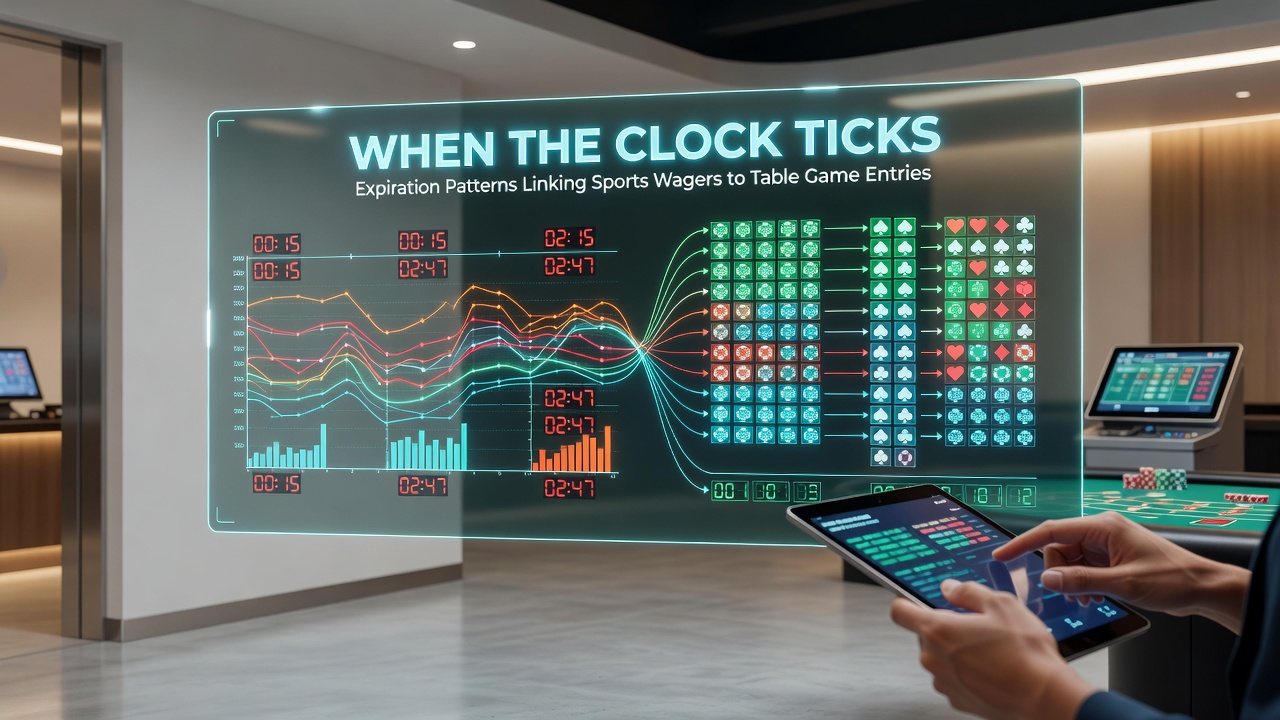
When the Clock Ticks: Expiration Patterns Linking Sports Wagers to Table Game Entries
Digital platforms have developed interconnected reward systems where expiration timers on sports betting incentives directly influence player movement into table game sections, and observers note that these patterns have become more pronounced throughout 2026 as operators refine cross-format mechanics.
Mechanics Behind Time-Limited Incentives
Operators structure sports wager bonuses with fixed validity windows that typically range from 24 to 72 hours after activation, and these windows often align with specific athletic events so that any unclaimed value pushes users toward alternative activities once the original promotion lapses. Data from multiple platforms indicates that players who complete sports wagers near the end of such windows show elevated rates of table game logins within the subsequent hour, while researchers tracking behavior across integrated accounts have documented consistent migration sequences that link the two categories through shared loyalty points.
Expiration rules frequently require minimum activity thresholds before rollover completes, and when those thresholds remain unmet the remaining balance converts into credits usable only on table games such as blackjack or roulette. This conversion mechanic appears in several major systems released or updated during the first half of 2026, and it creates a structural bridge that channels activity rather than allowing value to simply disappear.
Observed Patterns During August 2026
Platform analytics released in August 2026 reveal that table game entry spikes occur most reliably between 8 PM and midnight on weekdays when sports bonus expirations cluster, and the same datasets show a secondary peak on weekends that coincides with major European soccer fixtures concluding. Those who've studied these cycles point out that the timing overlaps with peak table game traffic, allowing operators to balance server loads across verticals while maintaining engagement metrics.
One study of multi-format accounts found that users receiving simultaneous sports and table game offers completed 34 percent more table game sessions when the sports component carried an earlier expiration date, whereas parallel offers without staggered deadlines produced more balanced but lower overall volume. Figures from the Nevada Gaming Control Board Nevada Gaming Control Board indicate similar redistribution effects in state-regulated markets during the same period.
Cross-Platform Reward Transfers and Player Pathways
Loyalty programs now route points earned through sports wagers into table game entry privileges once certain expiration milestones pass, and this routing occurs automatically in many systems so that players encounter pre-populated table game lobbies upon returning after a missed deadline. Industry reports note that such automated transfers reduce player drop-off rates by maintaining account activity even when the original sports wager window closes.

Take one integrated operator that adjusted its August 2026 expiration cadence so that sports free bets lapsed 12 hours before corresponding table game credits activated; the change produced measurable increases in table game handle without requiring additional marketing spend. Observers tracking these adjustments report that the staggered approach also lowered support ticket volume related to expired balances because players received clearer visual cues about upcoming transfers.
Regulatory and Market Context
Authorities in several jurisdictions have begun requesting detailed logs of how expiration mechanics affect cross-vertical play, and the Malta Gaming Authority Malta Gaming Authority has published guidance encouraging transparent countdown displays that span multiple game categories. These requirements aim to ensure players understand when and how their rewards shift formats, yet operators continue to refine the underlying algorithms that determine optimal expiration intervals.
Market data compiled through the second quarter of 2026 shows that platforms employing synchronized expiration ladders experienced steadier revenue distribution across sports and table game segments compared with those maintaining separate bonus pools. The patterns appear independent of specific sporting calendars, suggesting the linkage stems more from system design than from external event timing.
Conclusion
Expiration patterns that connect sports wagers to table game entries have evolved into deliberate design features within many digital ecosystems by August 2026, and the data consistently demonstrates measurable shifts in player activity once timers reach their limits. These mechanisms rely on automated conversions, staggered deadlines, and loyalty integrations that maintain engagement across categories while complying with emerging regulatory expectations for transparency. As platforms continue to collect behavioral metrics, the linkages between the two verticals are expected to grow more precise without altering the fundamental time-based triggers that drive the observed migration.