Threshold Mechanisms Connecting Sports Betting Streaks to Casino Table Privileges and Tournament Entries
Iris Krause · Aug 11, 2026
Threshold Mechanisms Connecting Sports Betting Streaks to Casino Table Privileges and Tournament Entries
Platforms across multiple jurisdictions have implemented threshold-based systems that convert consistent sports betting activity into access privileges for casino tables and card game tournaments, and these structures gained wider adoption by August 2026 as operators sought to unify player engagement across verticals. Data from state regulators shows that operators track consecutive days of qualifying wagers, total handle thresholds, and accuracy metrics before releasing rewards such as reserved blackjack seats or entry into no-limit hold'em events. Those who study reward ecosystems note that the mechanics rely on synchronized progress trackers rather than isolated promotions.
Core Components of Streak Thresholds
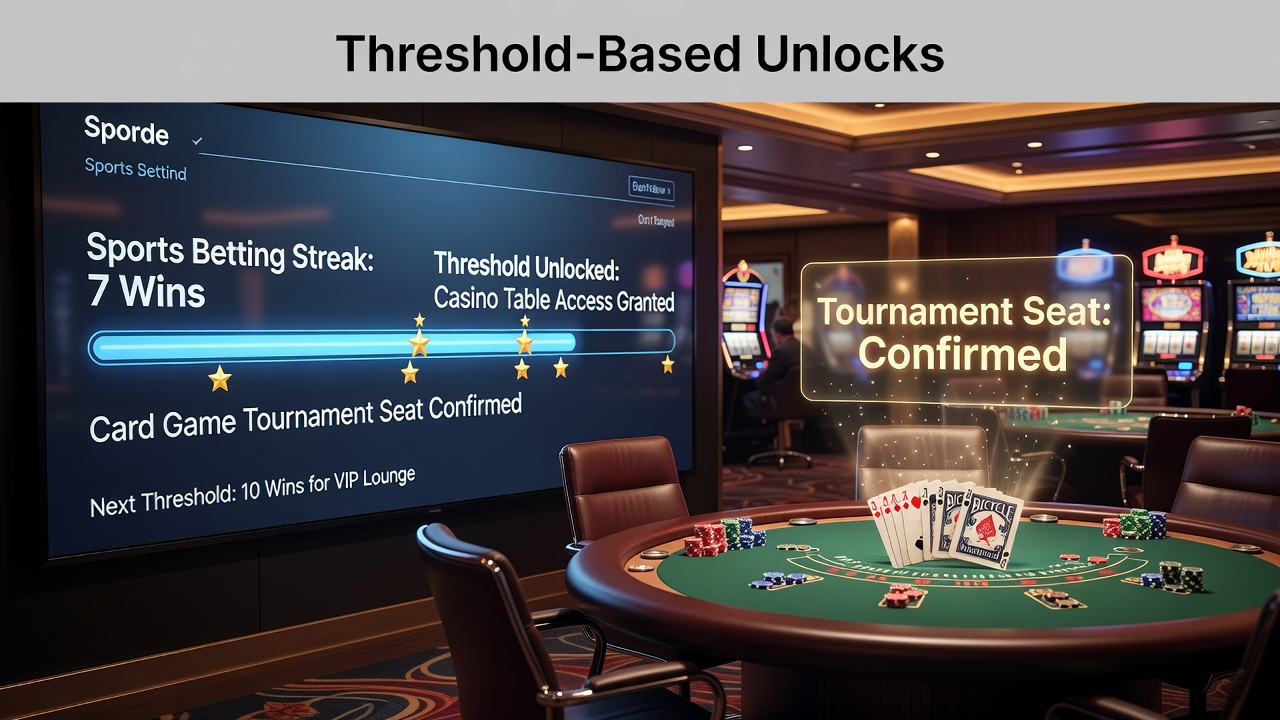
Operators define streaks through measurable criteria including minimum daily wager amounts, specific event categories, and unbroken sequences that often span seven to thirty days. When thresholds are met, systems automatically grant tiered privileges such as priority table reservations during peak hours or seats in satellite tournaments that feed larger main events. Figures from the New Jersey Division of Gaming Enforcement indicate that synchronized reward programs expanded by measurable percentages between 2025 and 2026, particularly where sportsbooks share backend infrastructure with casino and poker platforms.
One operator in a regulated market observed that players who maintained five-day streaks received incremental unlocks, beginning with limited table game credits and progressing to full tournament entries after fifteen consecutive qualifying sessions. The same systems log activity across mobile and desktop interfaces, ensuring that progress remains consistent regardless of device. Research conducted by academic institutions tracking multi-format engagement patterns confirms that these layered requirements increase cross-vertical participation when the rewards align directly with player preferences for live dealer tables or competitive card play.
Regional Variations in Implementation
Markets in North America and parts of Europe apply different calibration methods to threshold systems. In jurisdictions overseen by bodies such as the Ontario Lottery and Gaming Corporation, operators must publish clear rules on streak qualification criteria and redemption windows. European platforms operating under Malta Gaming Authority licenses integrate similar mechanics yet adjust thresholds to comply with local responsible gaming standards that cap daily wager volumes. These variations produce distinct player migration patterns, with some regions reporting higher conversion rates from sports betting into table game sessions during summer months when major athletic events coincide with festival-style casino promotions.
Integration With Existing Loyalty Frameworks
Threshold unlocks frequently layer onto established loyalty programs, allowing accumulated points or tier status to accelerate streak completion. For instance, a player holding mid-tier status may see reduced daily wager requirements while still needing consecutive activity to unlock casino floor privileges. Reports compiled by industry associations document that such integration reduces friction for high-volume participants and encourages sustained engagement across formats. Platforms that synchronize these elements report measurable lifts in table game occupancy and tournament registration numbers during periods when sports calendars feature dense schedules.
Technical Tracking and Player Notification Systems
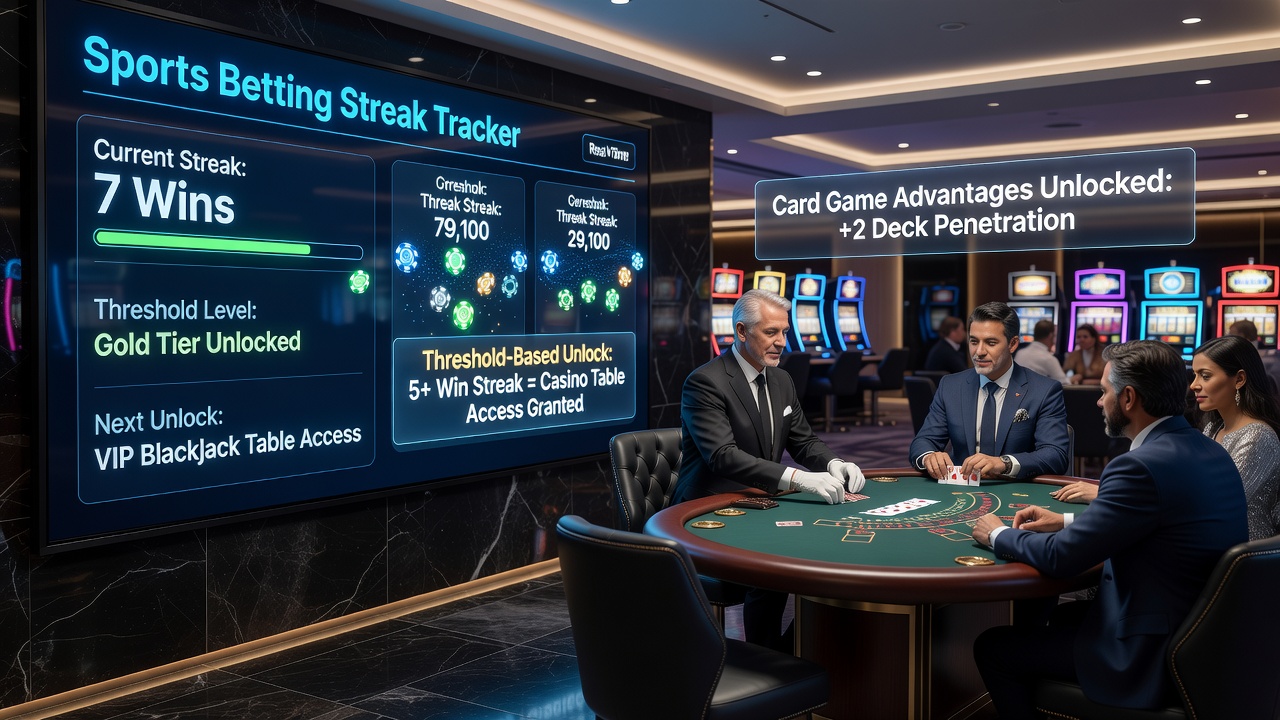
Backend systems monitor real-time wager data and trigger notifications when thresholds approach completion. Push alerts and in-app dashboards display remaining requirements, upcoming reward tiers, and expiration dates for earned privileges. Observers note that these notifications often include direct links to table reservation systems or tournament lobbies, shortening the path from sports betting completion to casino participation. Technical audits conducted in regulated markets confirm that accurate tracking depends on unified player accounts that span sports, casino, and poker verticals within a single operator group.
Case examples from multi-state operators illustrate how a player completing a twenty-day streak on baseball futures might receive automatic entry into a mid-stakes poker tournament scheduled for the following weekend. The same account simultaneously gains access to a reserved roulette table during evening hours, demonstrating how single activity streams can unlock multiple distinct privileges. Data compiled through 2026 shows continued refinement of these notification flows to reduce player drop-off between streak completion and reward redemption.
Regulatory Oversight and Compliance Considerations
Regulators require transparent disclosure of all threshold criteria, including minimum wager sizes, qualifying sports, and any caps on total rewards per player. Compliance teams review system logs to verify that unlocks activate only after documented activity thresholds are satisfied. In markets where multiple agencies share oversight, operators submit periodic reports detailing conversion rates from sports streaks to table and tournament participation. These reports help authorities assess whether the programs encourage excessive play or function within established responsible gaming parameters.
Conclusion
Threshold-based unlocks represent a structural shift toward interconnected reward ecosystems where sports betting streaks directly influence access to casino tables and card tournaments. Implementation details vary by jurisdiction yet share common reliance on consecutive activity tracking, unified player accounts, and automated privilege grants. As operators refine these systems through 2026, the mechanisms continue to shape how participants move between betting formats under regulated conditions.