Seasonal Timetables Redefining Incentive Structures Across Sports Betting and Virtual Card Platforms
Otto Keller · Nov 9, 2026
Seasonal Timetables Redefining Incentive Structures Across Sports Betting and Virtual Card Platforms
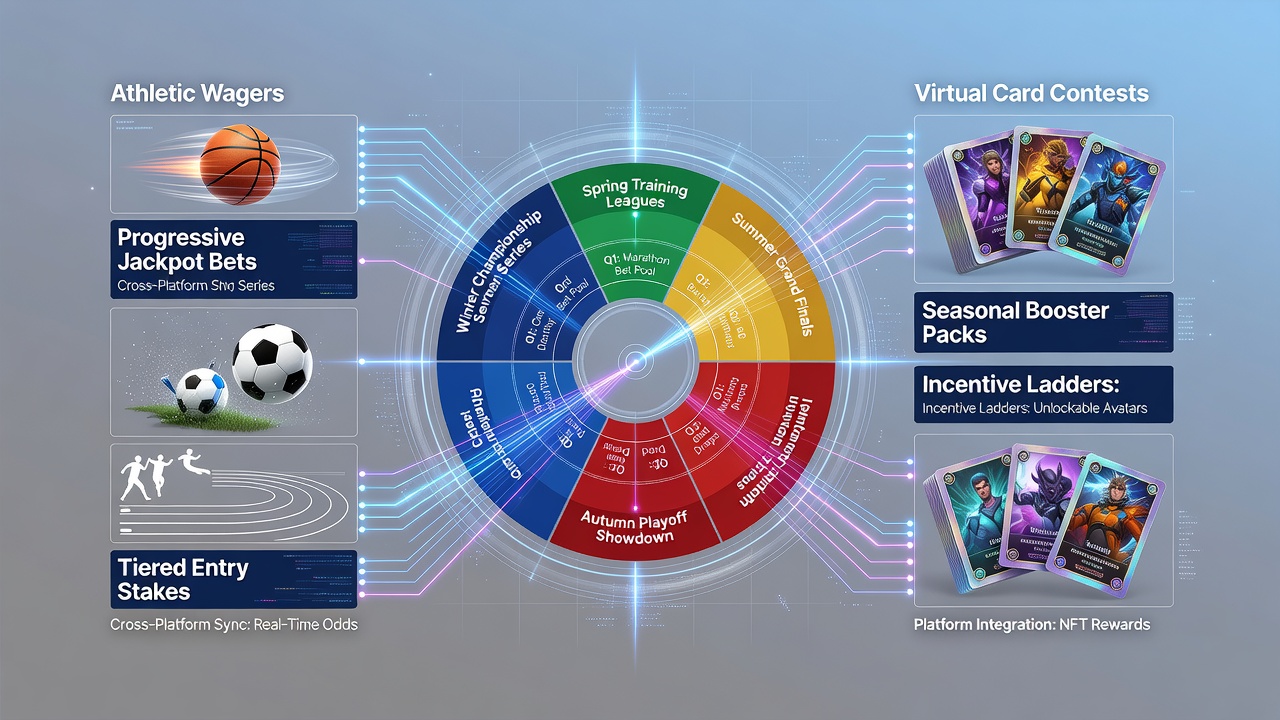
Seasonal event calendars have begun coordinating layered entry incentives that connect athletic wagers with virtual card contest access on numerous platforms, and data from industry tracking services shows these schedules now influence player progression paths throughout November 2026. Observers note that operators align promotions with fixed dates such as holiday weekends and championship periods, which creates sequences where sports betting activity unlocks additional entry options in card-based environments. Research indicates that platforms using synchronized calendars report higher cross-format participation rates compared with those maintaining separate bonus systems, while figures from regulatory filings confirm measurable shifts in deposit and wager volumes during these calendar-driven windows.
Calendar Mechanics and Cross-Format Linkages
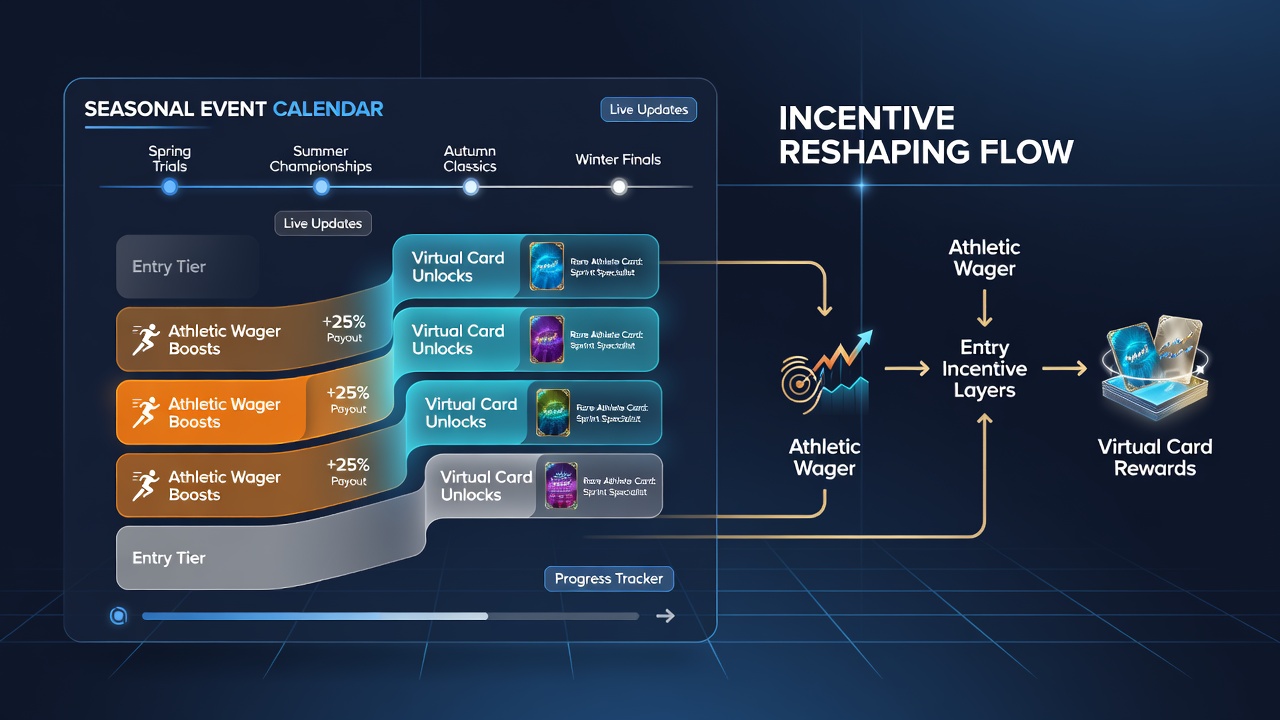
Event timelines operate by setting specific start and end dates for incentive layers, which means a sports wager milestone reached before a holiday cutoff can automatically qualify users for card contest entries that would otherwise require separate deposits. Those who've examined platform data find that November schedules often bundle Thanksgiving-related athletic events with virtual poker or blackjack freeroll access, and the connection occurs through progress trackers that carry over achievements from one format to the next. This structure reduces the number of independent qualification steps required, yet it still maintains distinct wagering and contest rules for each category according to licensing requirements in various jurisdictions.
Observed Patterns in November 2026 Activity
Figures released by multiple state gaming commissions reveal that platforms implementing calendar-tied incentives during early November recorded increases in combined sports and card volume, particularly around major football matchups and concurrent virtual tournament schedules. Experts have observed that users completing athletic prediction streaks within designated windows gain entry privileges to card lobbies without additional deposits, and this linkage appears in both mobile and desktop environments. Data shows the pattern extends to regional operators who adjust their calendars to match local holidays, creating staggered incentive releases that prevent overlap conflicts while sustaining engagement across time zones.
Regulatory and Platform Responses
Authorities in several North American regions have updated compliance guidelines to address calendar-linked incentives, requiring clear disclosure of how athletic wager activity translates into card contest eligibility. The American Gaming Association has documented that operators now include expiration timers and activity thresholds in their public terms to meet these standards. Meanwhile, Canadian provincial regulators have introduced reporting requirements for cross-format progress tracking, and similar measures appear in Australian oversight documents that reference seasonal promotion structures. These adjustments maintain separation between sports and card product categories even as calendars coordinate the timing of incentive releases.
Player Progression and Eligibility Tracking
Progress systems on participating platforms record athletic wager outcomes and apply them toward card contest entry thresholds according to predetermined calendar rules, which allows users to view remaining requirements through unified dashboards. Researchers at academic institutions studying digital gaming ecosystems have noted that such trackers reduce duplication of effort while preserving independent risk parameters for each activity type. In practice, a completed parlay during a November championship window may advance a user toward a virtual card tournament seat, yet the actual contest entry still follows separate rulesets established by the card gaming division. This separation ensures compliance with format-specific regulations while the calendar provides the overarching schedule.
Market Data and Participation Metrics
Industry reports compiled through the end of October 2026 indicate that platforms with integrated seasonal calendars experienced steadier month-over-month participation in both athletic and card segments compared with those using standalone promotions. Statistics from research firms tracking multi-format operators show that layered incentives tied to event dates correlate with higher retention rates through holiday periods. Observers note that these patterns hold across different regulatory environments, including those in the European Union where seasonal promotions must still align with distance-selling and consumer protection directives. The consistency suggests that calendar coordination serves as a structural tool rather than a promotional gimmick.
Conclusion
Seasonal event calendars continue to coordinate incentive layers that link athletic wagers with virtual card contest entries, and available data through November 2026 demonstrates measurable effects on participation patterns across regulated platforms. Regulatory bodies in multiple regions have adapted compliance frameworks to accommodate these structures while preserving format distinctions. As operators refine their timelines and trackers, the underlying mechanics remain focused on scheduled qualification sequences that operate within existing legal boundaries. Continued monitoring by industry associations and academic researchers will track how these calendar-driven linkages evolve alongside technological and regulatory developments.