Player Migration Triggers: How Offer Expirations Redirect Activity Between Sports Wagers and Virtual Table Sessions
Olivia Schmidt · Jul 14, 2026
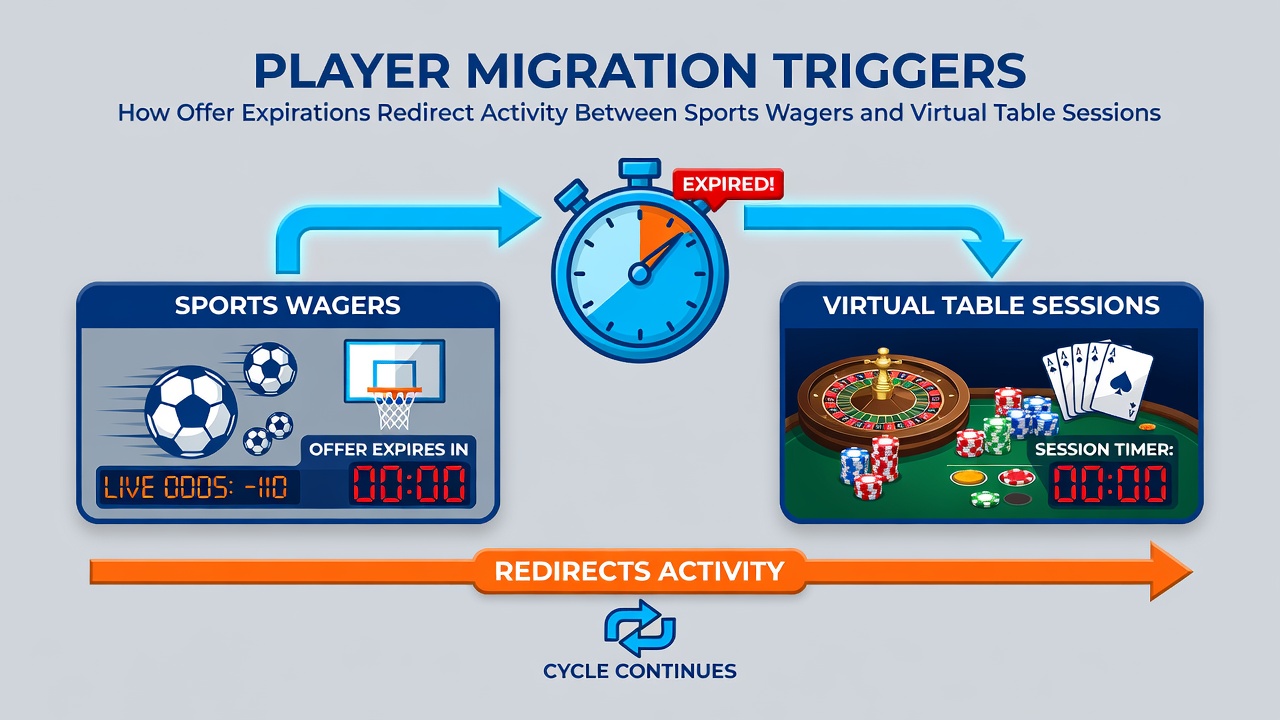
Player Migration Triggers: How Offer Expirations Redirect Activity Between Sports Wagers and Virtual Table Sessions
Digital gaming ecosystems track player movements closely when promotional offers reach their deadlines, and data from multiple platforms indicates that these expirations often prompt shifts in wagering patterns between live sports events and virtual table environments. Observers note that time-limited incentives tied to one format frequently lose value at set intervals, pushing participants toward alternatives that remain active within the same account ecosystem, and July 2026 records from several operators showed measurable upticks in table session volume precisely when sports-related bonuses lapsed.
Mechanics of Expiration-Driven Shifts
Promotional structures typically assign fixed validity windows to sports wager credits, so once those windows close without full redemption, remaining balances either convert at reduced rates or vanish entirely. Players who monitor these timelines respond by reallocating funds or attention to virtual table sessions where separate no-expiry or extended-window mechanics apply, and platform analytics reveal that such reallocations occur within hours of the original deadline passing. Research from regulatory filings shows this pattern holds across jurisdictions where operators must report segmented handle figures by game type.
Observed Patterns in Multi-Format Accounts
Account-level data collected during 2026 demonstrates that users who engage sports wagers early in a promotional cycle often complete their required activity well before deadlines, yet those who delay frequently migrate once the clock runs down. In these cases, virtual table interfaces receive increased traffic because many platforms position table games as the default fallback category when sports-specific promotions end. Figures released by the Nevada Gaming Control Board highlight parallel movements in handle between sportsbooks and table game sections during the same reporting periods, confirming the redirection effect without attributing causation to any single factor.
Regional Data Points from Mid-2026
Canadian provincial reports compiled through the Alcohol and Gaming Commission of Ontario documented similar migration volumes in July 2026, where expiring sports deposit matches coincided with elevated virtual blackjack and roulette participation on integrated sites. Analysts tracking these metrics noted that the shift typically stabilizes within 48 hours, after which activity distributes more evenly until the next set of sports offers activates. Such synchronized timing across regions suggests operators design expiration schedules deliberately to balance overall platform utilization rather than allowing prolonged concentration in any single vertical.
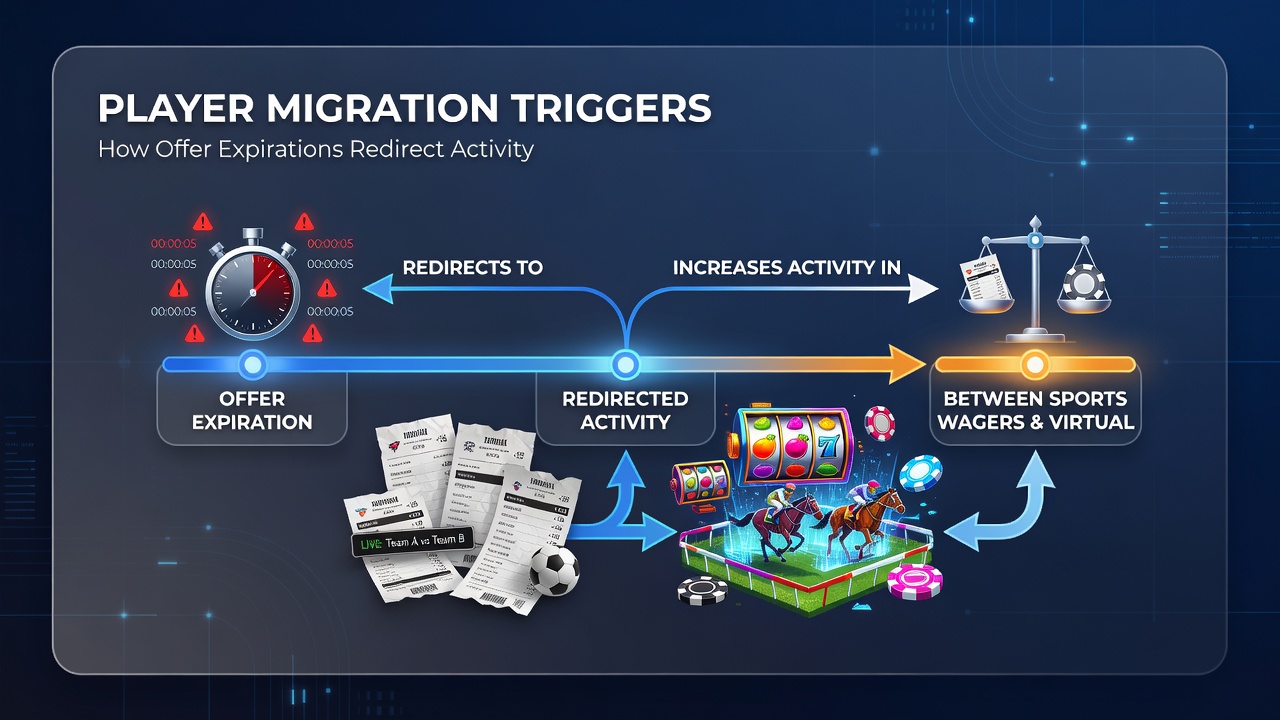
Platform Design Elements That Facilitate Migration
Interface layouts contribute to the speed of redirection because most multi-format applications surface table game lobbies prominently once a sports bonus timer reaches zero. Notification systems alert users to remaining time on sports offers while simultaneously promoting ongoing table promotions, and this dual messaging encourages immediate transitions rather than complete platform exits. Studies conducted by academic researchers at the University of Nevada, Las Vegas, examined user session logs and found that the average interval between sports wager conclusion and first table game entry shortens measurably when expiration alerts appear within the same app view.
Impact on Handle Distribution Across Categories
Handle reports aggregated from multiple operators indicate that sports wagering volumes dip temporarily following large-scale bonus expirations, while virtual table revenues rise to offset the difference during those windows. The pattern repeats monthly in line with common promotional calendars, creating predictable cycles that revenue teams monitor when forecasting quarterly results. Because these movements occur within single licensed entities, total platform revenue often remains stable even as category shares fluctuate, according to aggregated industry filings submitted to state regulators.
Future Tracking Considerations
Operators continue refining expiration parameters to manage load balancing between verticals, and July 2026 updates to several major platforms introduced staggered deadlines that reduced abrupt migration spikes. Regulatory bodies in additional jurisdictions now request segmented reporting that isolates post-expiration activity, which supplies clearer datasets for examining these dynamics over longer periods. Continued collection of such metrics will allow precise mapping of how specific offer structures influence cross-format participation without disrupting overall engagement levels.
Conclusion
Expiration mechanics embedded in promotional systems produce measurable redirection between sports wagers and virtual table sessions, with data from 2026 confirming consistent patterns across regions and platforms. These movements reflect the interaction of deadline structures, interface design, and user response timing rather than isolated preferences, and ongoing regulatory reporting ensures the trends remain documented for industry analysis.