Adaptive Threshold Mechanisms Linking Sequential Engagement Metrics Across Athletic Wagers and Strategy Tables
Iris Krause · Aug 1, 2026
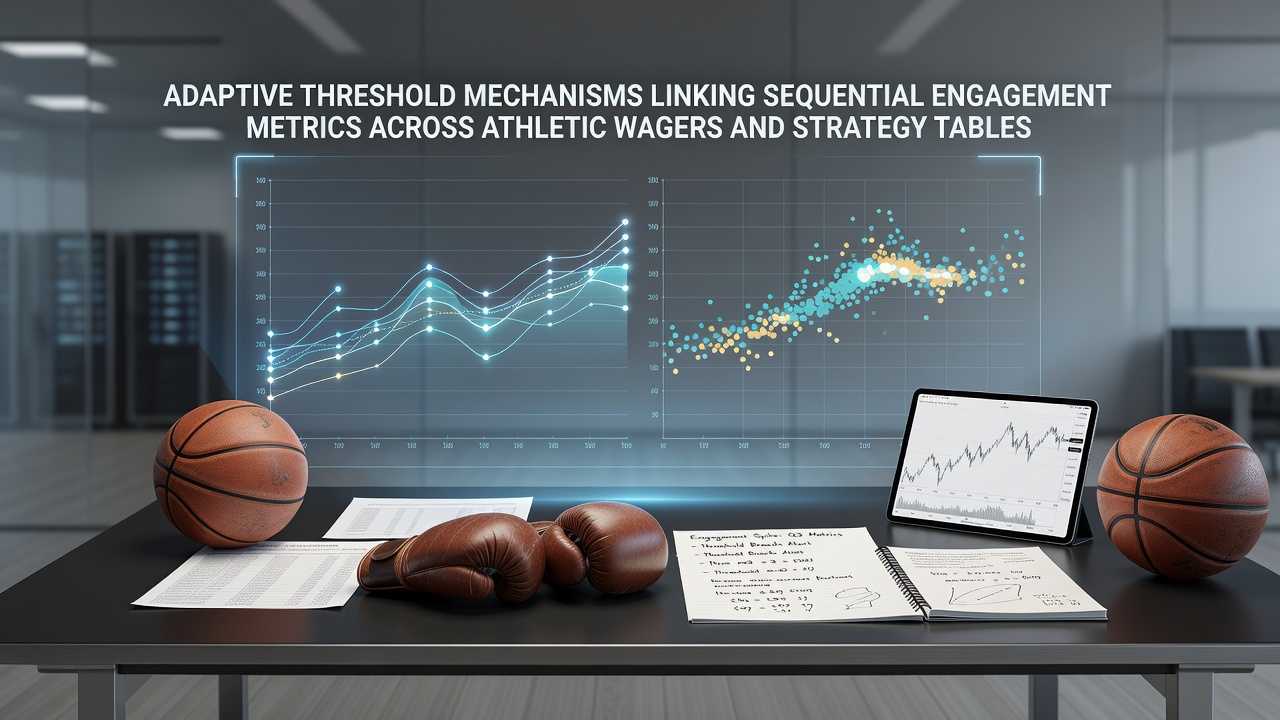
Adaptive Threshold Mechanisms Linking Sequential Engagement Metrics Across Athletic Wagers and Strategy Tables
Platforms in regulated gaming markets have developed adaptive threshold mechanisms that adjust access requirements based on sequential patterns of player activity across athletic wagers and strategy tables; these systems track metrics such as wager volume, frequency, and outcome sequences to determine eligibility for table game entries. Data from multiple jurisdictions indicate that operators calibrate these thresholds dynamically, responding to individual engagement streaks rather than applying fixed criteria across all users.
How Sequential Metrics Drive Threshold Adjustments
Operators collect data on consecutive sports betting sessions, including bet types, stake levels, and timing intervals, then apply algorithms that raise or lower entry barriers for poker tournaments and blackjack tables accordingly. When a user completes a defined series of athletic wagers within a set period, the system recognizes the pattern and modifies the minimum activity requirement for strategy table access, often through automated synchronization between sportsbook and casino modules. Research from the University of Nevada's gaming studies unit shows that such linkages appear in several multi-format platforms operating in North American markets during 2026.
Threshold values adapt in real time as new data points arrive, so a player who shifts from high-frequency low-stake bets to fewer larger wagers may trigger a recalibration that either accelerates or delays progression toward table privileges. Industry reports note that these adjustments occur without manual intervention, relying instead on predefined rule sets that account for both volume and consistency metrics.
Regional Implementation Patterns in August 2026
Markets in Canada and Australia have documented similar synchronization practices, with provincial regulators in Ontario and state authorities in New South Wales requiring operators to maintain transparent logs of how engagement sequences influence cross-format access. Figures released by the Canadian Gaming Association reveal that platforms integrating these mechanisms reported measurable increases in multi-format session lengths during the first half of 2026, particularly when thresholds responded to combined sports and table activity rather than isolated verticals.
One documented approach involves a points-based ladder where athletic wager milestones contribute partial credit toward strategy table freeroll qualifications, while table game participation simultaneously feeds back into sports betting reward tiers. This bidirectional flow creates interconnected progress trackers that operators update at regular intervals, often daily or after each completed session.
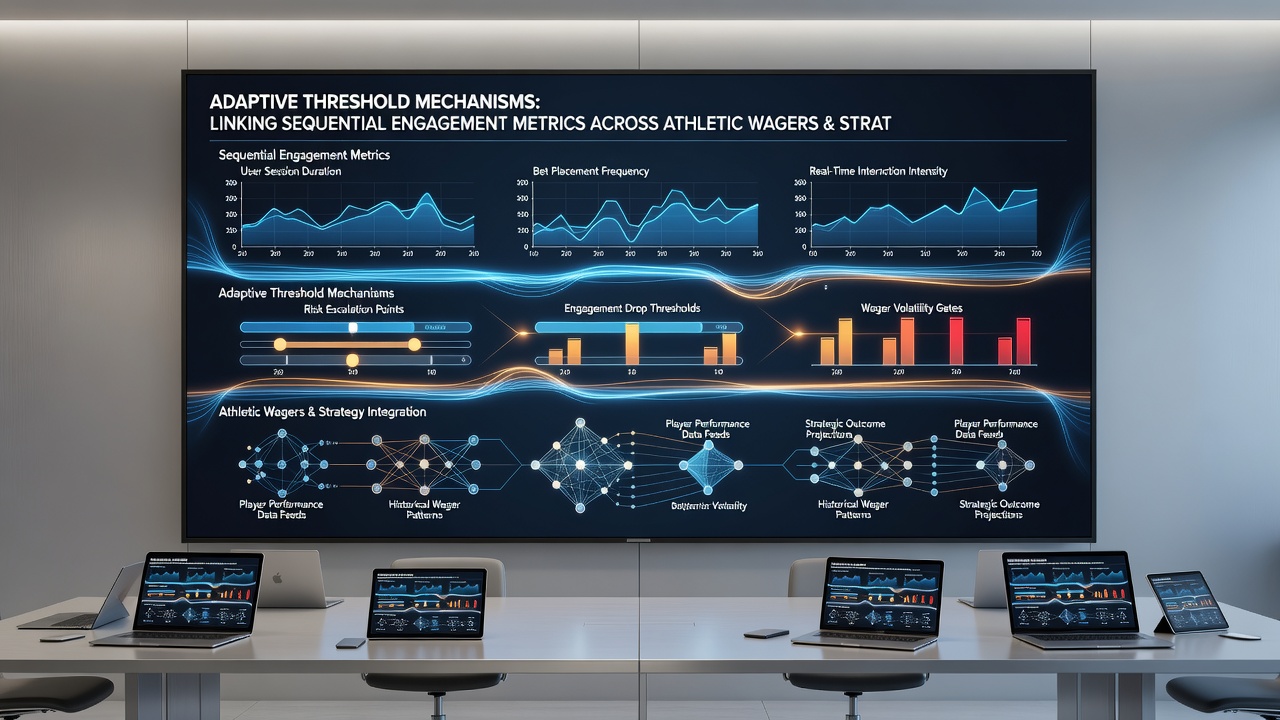
Technical Components of Threshold Adaptation
Core elements include rolling time windows that evaluate the most recent sequence of actions, weighted scoring that assigns different values to various bet categories, and decay functions that reduce accumulated progress when activity lapses exceed specified durations. Developers program these components to prevent rapid threshold drops that could undermine retention goals, while still allowing genuine engagement patterns to unlock privileges. Observers note that platforms test multiple weighting schemes before deployment to ensure compliance with local fairness standards.
Integration occurs through shared user profiles that span sportsbook and casino environments, enabling the system to reference historical sequences without requiring separate accounts for each format. Data pipelines feed engagement metrics into centralized decision engines that output updated threshold values within seconds of new activity registration.
Regulatory Oversight and Compliance Requirements
Authorities in Nevada and several Australian states mandate periodic audits of these adaptive systems to verify that threshold changes remain consistent with approved mathematical models. Operators must submit documentation detailing the exact parameters used for sequence evaluation and the resulting access modifications. According to records from the Nevada Gaming Control Board, reviews conducted in mid-2026 focused on whether dynamic adjustments inadvertently created barriers that disadvantaged certain player cohorts.
Compliance teams monitor for patterns where thresholds shift too aggressively, which could conflict with responsible gaming guidelines established in multiple jurisdictions. Platforms therefore incorporate buffer zones and minimum activity floors that remain stable regardless of short-term metric fluctuations.
Conclusion
Adaptive threshold mechanisms continue to evolve as operators refine the connections between athletic wager sequences and strategy table access across integrated platforms. Documentation from regulatory bodies and academic sources indicates steady adoption of these systems in markets where multi-format engagement tracking has become standard practice. The technical architecture supporting these linkages relies on real-time data processing and predefined rule sets that balance progression incentives with compliance obligations.